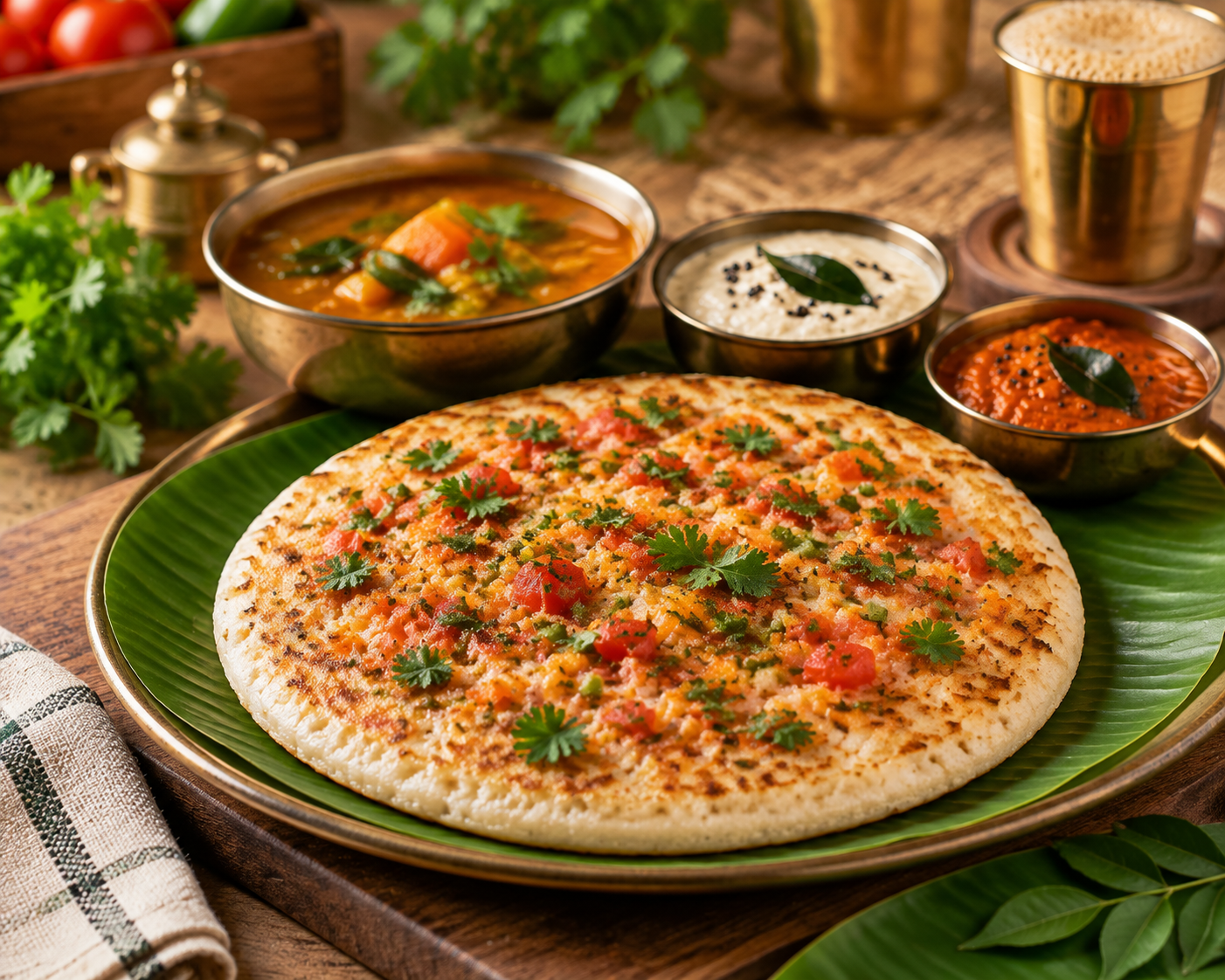
Finding vegetarian dishes that are both traditional and suitable for specific dietary preferences can sometimes be challenging. Many diners searching for Jain Uthappam in Plano TX are looking for more than a simple breakfast item. They want authentic South Indian flavors prepared with care while following Jain-friendly food practices.
Uthappam is one of South India’s most loved dishes, known for its soft texture, fermented batter, and flavorful toppings. The Jain version adapts this classic dish by following Jain dietary principles while maintaining the comforting taste and character of traditional South Indian cuisine.
For those exploring South Indian Vegetarian Food Plano TX, Jain Uthappam offers a unique opportunity to enjoy a wholesome, flavorful meal that respects both tradition and dietary choices.
Table of Contents
- What Is Jain Uthappam?
- How Jain Uthappam Is Different From Traditional Uthappam
- The Tradition Behind South Indian Fermented Foods
- What Makes the Best Jain Uthappam in Plano TX?
- How Jain Uthappam Is Prepared
- What Should First-Time Visitors Order Along With Jain Uthappam?
- Exploring Jain-Friendly South Indian Food at Malgudi Garden
- Frequently Asked Questions
What Is Jain Uthappam?
Jain Uthappam is a South Indian pancake-style dish prepared using fermented rice and lentil batter while following Jain dietary guidelines. It is typically made without ingredients avoided in Jain cuisine, such as onion and garlic, while still offering a soft texture, mild flavors, and traditional South Indian taste.
Unlike a thin dosa, uthappam is thicker and softer. The batter creates a fluffy base that can be topped with vegetables, herbs, or spices depending on the preparation style.
A traditional uthappam is usually enjoyed with:
- Coconut chutney
- Sambar
- Tomato chutney
- Other South Indian accompaniments
For diners searching for Authentic Jain Uthappam Plano TX, this dish represents the balance between traditional cooking methods and Jain-friendly preparation.
How Jain Uthappam Is Different From Traditional Uthappam
Jain Uthappam follows the same foundation as regular uthappam but adjusts the ingredients to meet Jain dietary preferences.
Traditional uthappam may include toppings such as:
- Onion
- Garlic-based seasoning
- Mixed vegetables
Jain versions usually avoid root vegetables and ingredients that are not included in Jain cooking traditions.
The main difference is not the cooking method but the ingredient choices.
Both versions share:
- Fermented rice and lentil batter
- Soft and fluffy texture
- Slow cooking on a hot griddle
- South Indian seasoning techniques
This makes Jain Uthappam a great option for diners who want to experience traditional South Indian cuisine while following specific food preferences.
The Tradition Behind South Indian Fermented Foods
South Indian cuisine has a long tradition of fermentation, especially in breakfast dishes like dosa, idli, and uthappam.
The fermentation process helps develop:
- A naturally pleasant sour flavor
- Light texture
- Better digestibility
- Complex taste
The batter is generally made using rice and lentils, which are soaked, ground, and allowed to ferment before cooking.
This technique is one reason South Indian breakfast dishes have become popular worldwide. The simple ingredients transform into dishes with unique textures and flavors.
Uthappam also reflects the South Indian approach of creating satisfying meals from everyday ingredients.
What Makes the Best Jain Uthappam in Plano TX?
The best Jain Uthappam in Plano TX depends on authentic batter preparation, proper fermentation, fresh ingredients, and careful cooking techniques. A well-made Jain Uthappam should have a soft center, lightly crisp edges, balanced flavors, and toppings that complement the fermented batter.
Important qualities include:
Fresh Fermented Batter
The batter is the foundation of good uthappam. Proper fermentation creates a soft interior and adds natural flavor.
Balanced Texture
A quality uthappam should not be too thin like dosa or too heavy. It should have:
- A fluffy center
- Slightly crisp edges
- A satisfying bite
Jain-Friendly Preparation
For Jain diners, ingredient awareness matters. Careful preparation ensures the dish follows Jain dietary preferences while maintaining authentic South Indian flavors.
For anyone searching for a Vegetarian Uthappam Plano TX, understanding these details helps identify a well-prepared dish.
How Jain Uthappam Is Prepared
The preparation of Jain Uthappam involves several traditional steps.
Preparing the Batter
Rice and lentils are soaked separately, ground into a smooth mixture, and fermented before cooking.
Cooking on the Griddle
The batter is spread thicker than dosa batter on a hot tava or griddle. This creates the signature soft and fluffy texture.
Adding Jain-Friendly Toppings
Depending on the recipe, toppings may include suitable vegetables, herbs, and spices that follow Jain dietary guidelines.
Serving With Accompaniments
Jain Uthappam is commonly paired with chutneys and other South Indian sides that enhance its flavor.
The result is a comforting dish that combines traditional cooking with mindful ingredient choices.
What Should First-Time Visitors Order Along With Jain Uthappam?
For guests trying Jain Uthappam for the first time, exploring other South Indian favorites can create a complete dining experience.
Recommended options include:
Jain Dosa
A lighter and crispier alternative that shares the same fermented batter tradition.
Idly With Chutney
Soft steamed idlis provide a simple introduction to South Indian breakfast flavors.
Vada
A crispy lentil-based snack that adds contrast to softer dishes.
South Indian Filter Coffee
A traditional beverage that pairs well with breakfast dishes.
Families visiting a South Indian Restaurant Plano TX can order a combination of dishes and share different flavors together.
Exploring Jain-Friendly South Indian Food at Malgudi Garden
For diners searching for an Indian Vegetarian Restaurant in Plano TX, Malgudi Garden provides a place to explore a wide range of vegetarian South Indian dishes.
The restaurant focuses on vegetarian Indian cuisine, including traditional breakfast items, tiffin dishes, dosas, uthappam varieties, rice dishes, curries, and desserts.
Guests looking for Jain Uthappam Near Me Plano TX can explore Jain-friendly options while enjoying the broader variety of South Indian vegetarian food.
Located in Plano, the restaurant serves local families, professionals looking for vegetarian lunch options, and guests interested in traditional Indian flavors.
Whether dining for breakfast, lunch, or dinner, South Indian dishes offer variety for different preferences.
Frequently Asked Questions
What is Jain Uthappam made of?
Jain Uthappam is made using fermented rice and lentil batter prepared according to Jain dietary guidelines. It avoids ingredients commonly restricted in Jain cuisine while maintaining the traditional soft texture and flavor of South Indian uthappam.
How is Jain Uthappam different from regular Uthappam?
The main difference is the ingredients used. Jain Uthappam avoids onion, garlic, and certain vegetables that are not included in Jain cooking practices. The batter preparation and cooking style remain similar to traditional uthappam.
Is Jain Uthappam vegetarian?
Yes, Jain Uthappam is vegetarian and follows Jain dietary principles. It is a suitable choice for diners looking for vegetarian South Indian food with specific ingredient considerations.
Where can I find Jain Uthappam in Plano TX?
Visitors searching for Jain Uthappam in Plano TX can explore vegetarian South Indian restaurants like Malgudi Garden that offer traditional Indian breakfast dishes and Jain-friendly options.
Discovering the Meaning Behind Jain Uthappam
Jain Uthappam represents the connection between food tradition and mindful cooking. It shows how classic South Indian dishes can adapt to different dietary practices while preserving their authentic character.
For vegetarian food lovers in Plano, Jain Uthappam offers a combination of cultural heritage, fermented food traditions, and comforting flavors. It is a dish that allows diners to experience the diversity of South Indian cuisine while respecting Jain food values.